Marriage Catering Services in Chennai

Why Menu Planning Matters for a Successful Wedding

WEDDING & CATERING EXPERIENCE

Why Menu Planning Matters for a Successful Wedding

“Great wedding food begins with thoughtful planning long before the first dish reaches the table.”

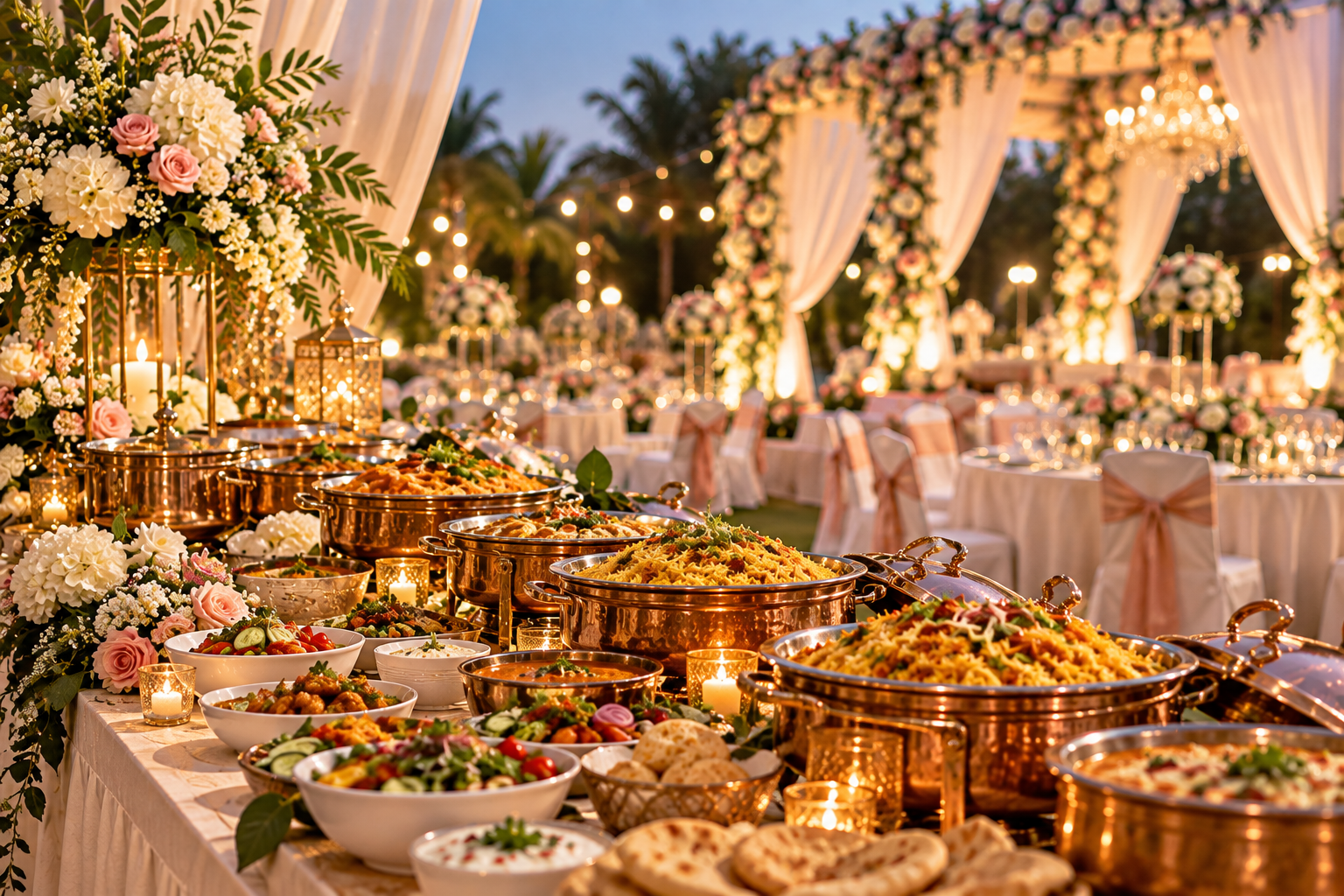
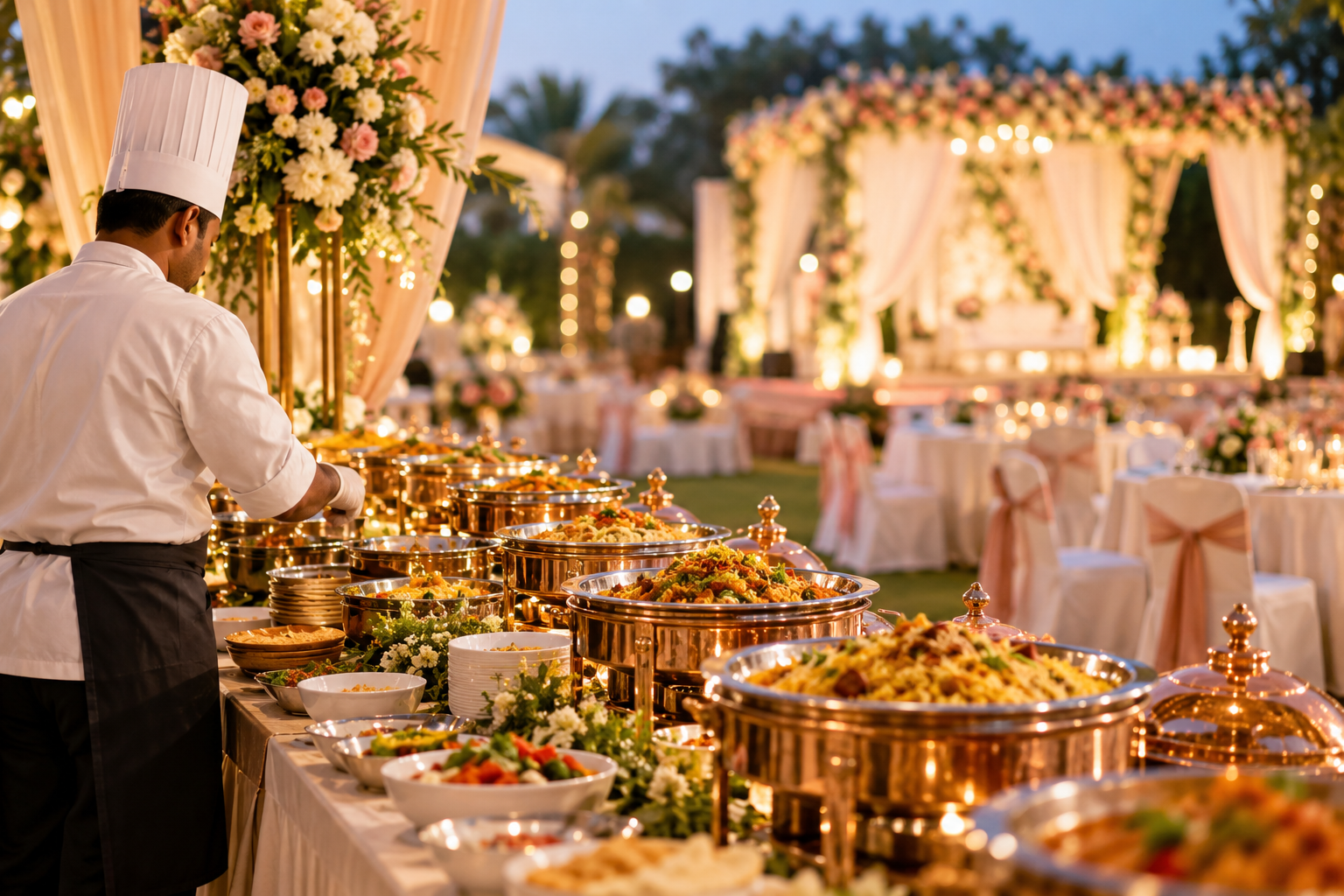
A wedding menu is more than a list of dishes; it is part of the celebration itself. Guests may remember the music, decorations, and photographs, but the food often becomes one of the most discussed parts of the occasion. Choosing too many dishes can make the meal feel confusing, while too few options may not suit the different tastes of guests. Good menu planning brings together flavour, variety, quantity, presentation, timing, and guest preferences so that the meal feels balanced from beginning to end. In this blog, we will explore why menu planning matters for a successful wedding and how thoughtful planning can help create a smoother and more enjoyable dining experience. Professional Marriage Catering Services in Chennai can also help couples plan a menu that suits the size, style, and needs of their celebration.

Marriage Catering Services in Chennai
WEDDING CATERING
01
WEDDING MENU PLANNING

Understanding Your Guest List

The guests at the marriage could have a strong impact on the types of foods that should be provided. Menu planning can be problematic because families come in different ages, backgrounds and food preferences and some may have limited food options. When considering the guest list, it's important to keep in mind that you can make any meal more inviting and appealing to a larger audience.

These factors can be considered in guest's preferences:
•

Age groups: Include dishes that are comfortable and enjoyable for children, adults, and older guests.

•

Food preferences: Keep in mind that guests might have dietary restrictions, such as being a vegetarian or a non-vegetarian, or prefer mild or richer foods.

•

Traditional favourites: One way to make a meal more familiar and meaningful is to stick to traditional favourites.

•

Guest Tastes: Reflect on the type of meals guests will be interested in according to the wedding type.

02
WEDDING MENU PLANNING

Balancing Traditional and Modern Dishes

Wedding menu need not be about tradition or modern tastes. Simple meals can symbolize family and culture, and also a couple of contemporary meals can provide variety and curiousity to the meal. Combining these two styles can create a comfortable yet non predictable dining experience.

Examples of a balanced menu might include:
•

Familiar favourites: Add any favorite dishes that people already know are associated with celebrations.

•

Modern additions: Add newer flavours or presentation styles to create variety.

•

Consider regional options: Think of foods from the family's culture or wedding rituals.

•

Variety of menu: Incorporate familiar foods and new foods, but not overpowering.

03
WEDDING MENU PLANNING

Choosing the Right Number of Dishes

The more the merrier isn't always the more the better when it comes to wedding food. Having too many items on the menu can lead to too much confusion, and having too few can mean there isn't enough variety for the guests. The quantity will vary based on the size of the event, the time of the meal, the cost and the type of food or catering that is being proposed.

Menu size may vary according to:
•

Guest count: Larger gatherings may require broader planning and additional food choices.

•

Meals: Different combinations for Breakfast, Lunch, Dinner and Reception menus are possible.

•

Serving style: Buffet and seated service can influence how many dishes are practical to offer.

•

Budget control: A focused menu can help keep the quality and not include extra items.

04
WEDDING MENU PLANNING

Planning Starters and Main Courses

The starter is the first impression of the meal, while the main course is typically the centerpiece of the meal. The two should collaborate and not compete with one another. Keep the menu well-balanced between flavours and size of portions, or if the appetizers are too weighty, the main courses will not be as popular.

Planning for breakfast around:
•

Light starters: Use appetisers that are tasty but not too substantial.

•

A variety of flavours: Have a variety of different flavors and textures to vary the beginning of the meal.

•

Main dishes: Add satisfying dishes that are the "star of the show" for the wedding menu.

•

Balanced combinations: Make sure the starters and main dishes complement rather than repeat one another.

05
WEDDING MENU PLANNING

Adding Desserts Guests Will Enjoy

One of the most important and expected components of a wedding menu is dessert. Whether it's traditional or modern sweets, they can add to a feeling of celebration, or they can provide something new to taste for your guests. It's generally better to serve just a couple of options that work well together than to serve a large number of items that may not be eaten.

When planning desserts you can use:
•

Sweet classics: Serve the traditional sweets that cater to the family's tastes and the wedding's aesthetic.

•

Modern desserts: Include modern choices for those wanting something other than what they're used to.

•

Flavour balance: Include a variety of sweetness and texture as appropriate.

•

Presentation: Attractive serving can make desserts more appealing as part of the overall meal.

06
WEDDING MENU PLANNING

Considering Different Food Preferences

“A well-planned menu turns a wedding meal into part of the celebration, not just another event detail.”

Not all guests will be the same when it comes to their concept of a perfect wedding dinner. Some may want to eat vegetarian food or perhaps non-vegetarian food, lighter meals or familiar taste. These differences can be incorporated to make the meal more inclusive without adding to the complexity.

Preferences worth considering:
•

Vegetarian options: Make sufficient and satisfying options – not an after thought.

•

Non-vegetarian options: Choose appropriate non-vegetarian options as variety items to the main menu.

•

Less spicy: Add foods that aren't as spicy for those with more sensitive palates.

•

Special requirements: Make sure to let the catering team know of any special food concerns ahead of time.

07
WEDDING MENU PLANNING

Matching the Menu to the Wedding Style

The food should reflect the general ambiance of the wedding. A traditional family gathering might be appropriate for a traditional regional menu, whereas a contemporary party might be better for a more contemporary menu. If the menu is in keeping with the mood, it enhances the overall eating experience.

Menu style may be indicative of:
•

Themes for a wedding: Select the foods that will match the rest of the party's theme.

•

Cultural traditions: Add foods that are significant for the family, or for the occasion.

•

Appropriate level of formality: If the event is simple, elegant or grand, match the menu and presentation.

•

Guest experience: Ensure that the food is part of the wedding and not an additional thing.

08
WEDDING MENU PLANNING

Careful planning of quantities of food

Equipping the proper dishes is essentially not all that is important for successful wedding catering. The amount of food purchased also must be carefully planned as too little can make guests feel let down, and too much can be a waste and cost. When calculating the quantity of food required for a function, take into account the number of guests, amount of food on the menu, serving style, length of meal, and type of dish.

The quantity planning can take into account:
•

Guest count: If you are unsure about how many people will be at the wedding, simply estimate the quantities.

•

Menu variety: Take into account the amount that guests will be consuming from each item of the menu.

•

Serving style: Buffet and table service may require different approaches to portion planning.

•

Popular dishes: Stock up on foods that are likely to be particularly popular with visitors.

•

Extra servings: Make it realistic enough to accommodate impromptu guests or extra servings without running into unnecessary waste.

Also Read This: The Secret Ingredient Behind a Memorable Wedding Celebration

“

Great catering turns a wedding meal into an experience worth remembering.

08
THE FINAL EXPERIENCE

Bringing Every Dish Together

A memorable wedding meal is created through careful decisions rather than simply adding more dishes to the menu. The right combination of flavours, portions, traditions, guest preferences, presentation, and service timing can make the dining experience feel effortless from the first course to the final sweet. When these details are planned in advance, the food can complement the celebration instead of becoming another last-minute concern. Choosing experienced Marriage Catering Services in Chennai can also help couples turn their menu ideas into a well-coordinated dining experience that guests can genuinely enjoy.

09
FREQUENTLY ASKED QUESTIONS

Frequently Asked Questions

1. Why is menu planning important for a wedding?

Menu planning helps balance food variety, guest preferences, portion sizes, budget, and serving requirements so the wedding meal feels organised and enjoyable.

2. How many dishes should a wedding menu include?

There is no fixed number for every wedding. The menu can be planned based on the number of guests, type of meal, serving style, budget, and the variety of food you want to offer.

3. Should a wedding menu include both traditional and modern dishes?

A combination can work well because traditional dishes bring familiarity and cultural value, while modern options can add variety and give guests something different to enjoy.

4. How can I plan food quantities for a wedding?

Food quantities should be estimated according to the guest count, number of dishes, serving style, expected demand, and the possibility of additional guests or repeat servings.

5. How can Marriage Catering Services in Chennai help with menu planning?

Professional caterers can help suggest suitable dishes, estimate quantities, organise food preparation, coordinate serving, and create a menu that matches the style and requirements of the wedding.